
Medieval Shield Research
Research notes on how medieval shields were actually built, grounded in surviving evidence.
 12m
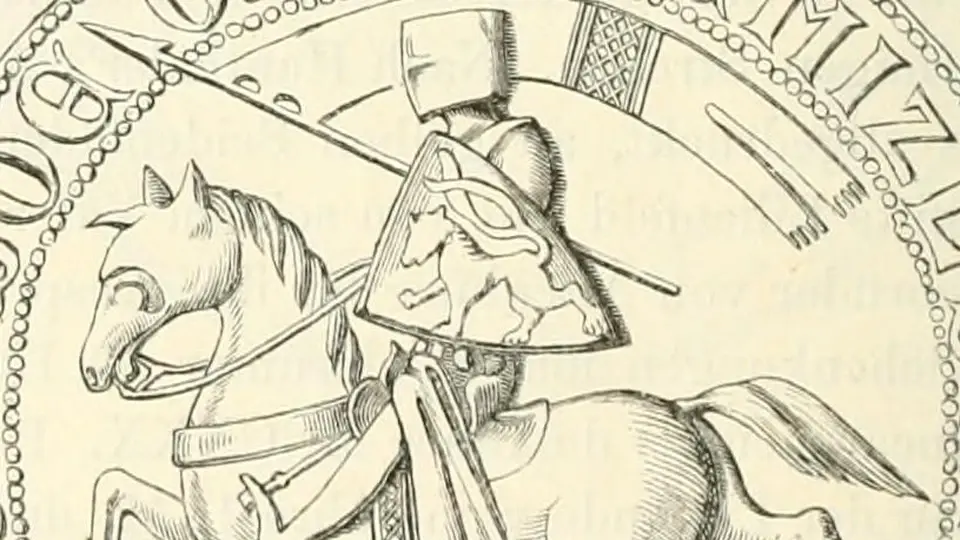
Přemysl Ottokar II: The Lion of Bohemia on a King's Seal
Přemysl Ottokar II, King of Bohemia, died on the Marchfeld in 1278. His two-sided seal shows him riding with a lion shield on one face and the Austrian band on the other. What do the seal and the armorials establish about his shield, and what must a reconstruction leave open?
Read the Article →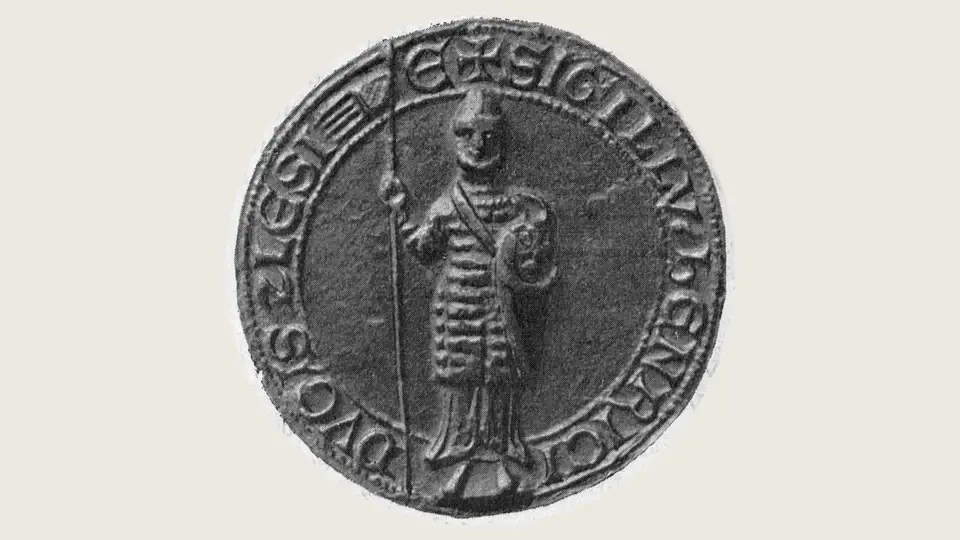 12m
Henry I the Bearded: The Shield of a Silesian Piast Duke
An early thirteenth-century seal preserves the shield emblem of Henry I the Bearded (c.1165/70–1238), one of medieval Poland's most powerful rulers: a crescent with a cross. What does the seal reveal, and how much of his shield can responsibly be reconstructed?
Read the Article →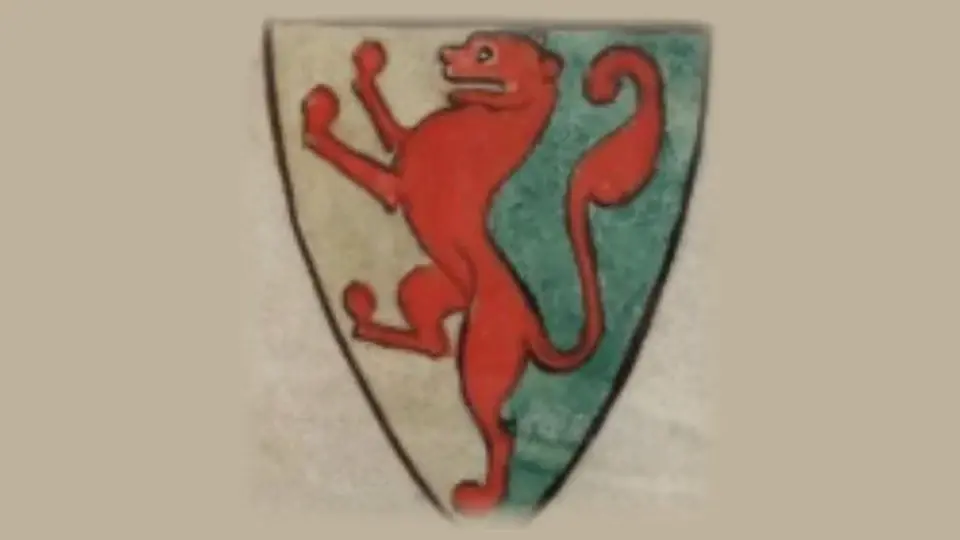 11m
William Marshal: Reconstructing the Shield of the Greatest Knight
What did the shield of William Marshal (c.1147–1219) actually look like? Matthew Paris's drawings, Marshal's own seal, the Temple Church effigy and the surviving shields from Oña, Seedorf and Szczecin show what can be known about his gold, green and red lion arms, and what a maker has to interpret.
Read the Article →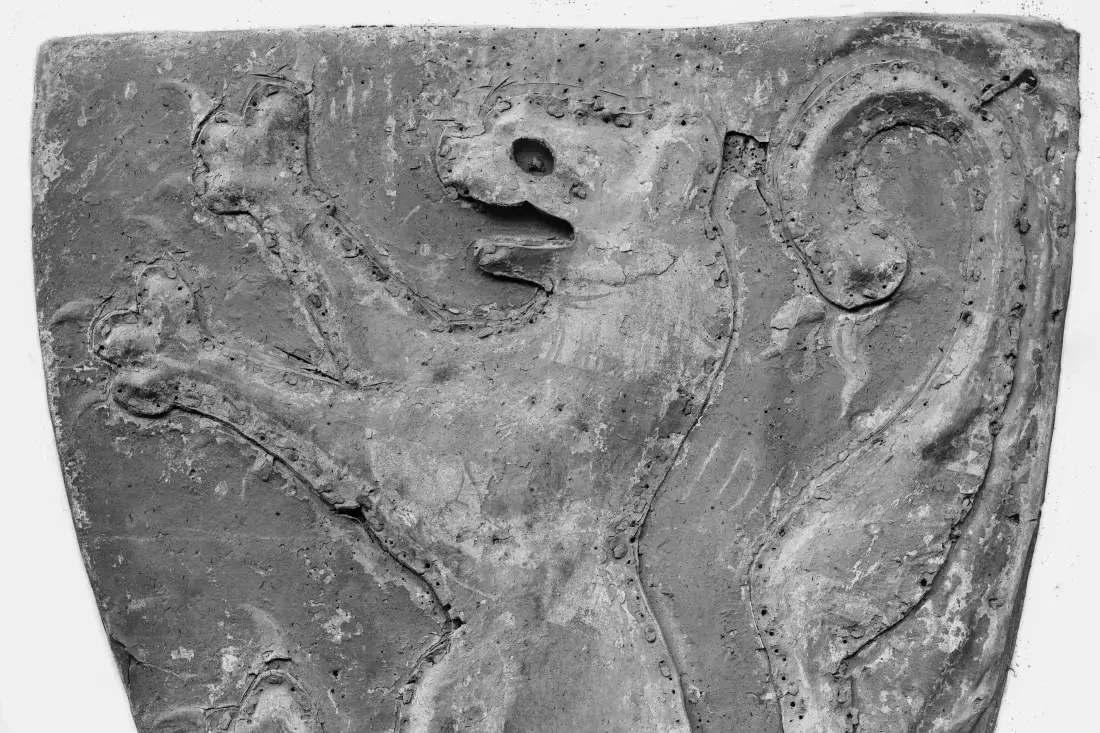 16m
Protective Coatings, Repair, Ageing and Wear of Medieval Shields
Were medieval shields varnished, oiled or waxed, and what happened when their paint cracked, their edges broke or their straps wore out? The Seedorf, Konrad von Thüringen and Behaim shields show how hard it is to separate medieval use from centuries of later deterioration, repainting and restoration.
Read the Article →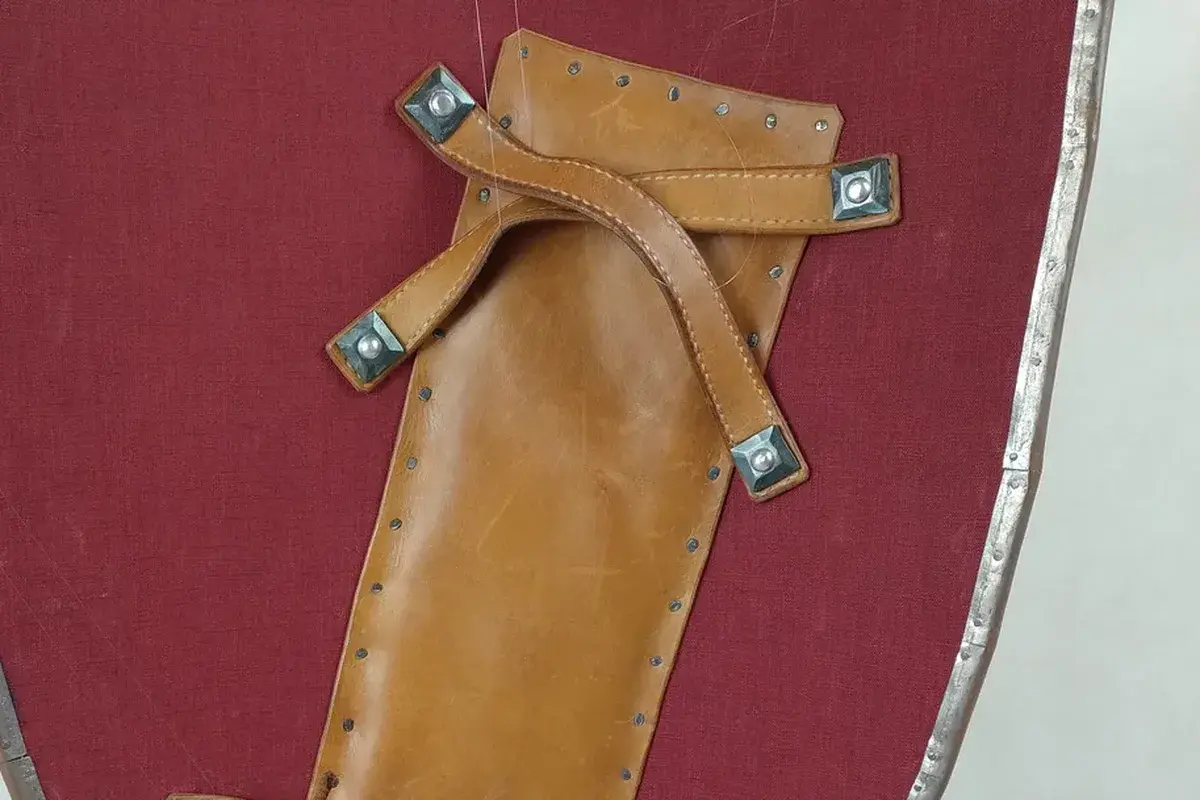 12m
Rear Straps, Guige, Padding and Attachment Geometry
The reverse of a medieval shield connects its wooden structure to the bearer. Surviving straps, leather bridges and attachment traces on the Seedorf, Marburg and Karl von Trier shields reveal parts of that system, but complete layouts and padding details often require interpretation.
Read the Article →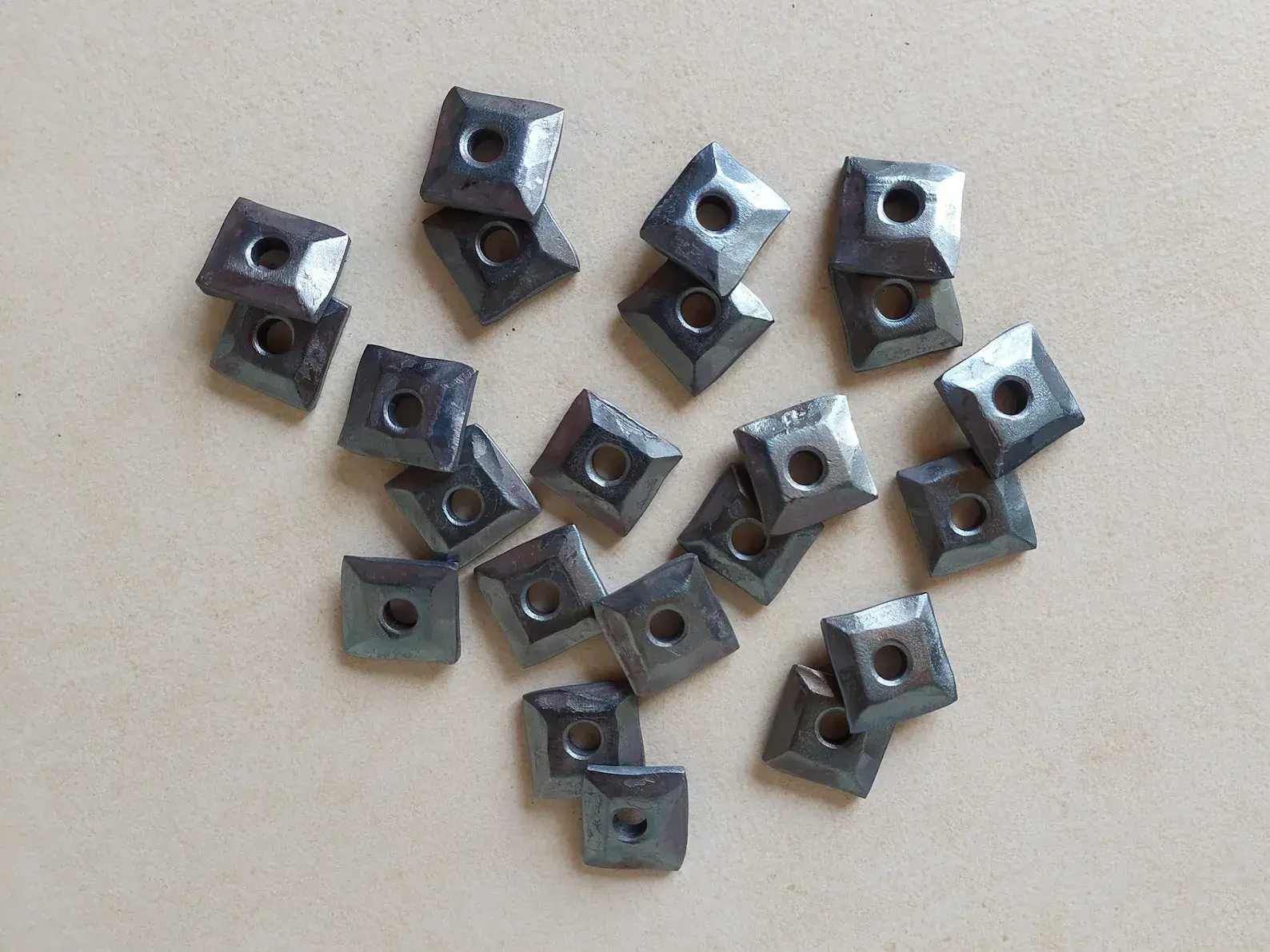 14m
How Were Medieval Shield Washers Made? What the Surviving Fittings Can and Cannot Show
The small iron plates fitted over the leather straps on the backs of surviving medieval shields: what they were for, the square sheet-iron plates described at Seedorf, the round washers recorded at Marburg, what medieval metalworking sources say about cutting and piercing sheet metal, and what no one has yet established about how any of them was made.
Read the Article →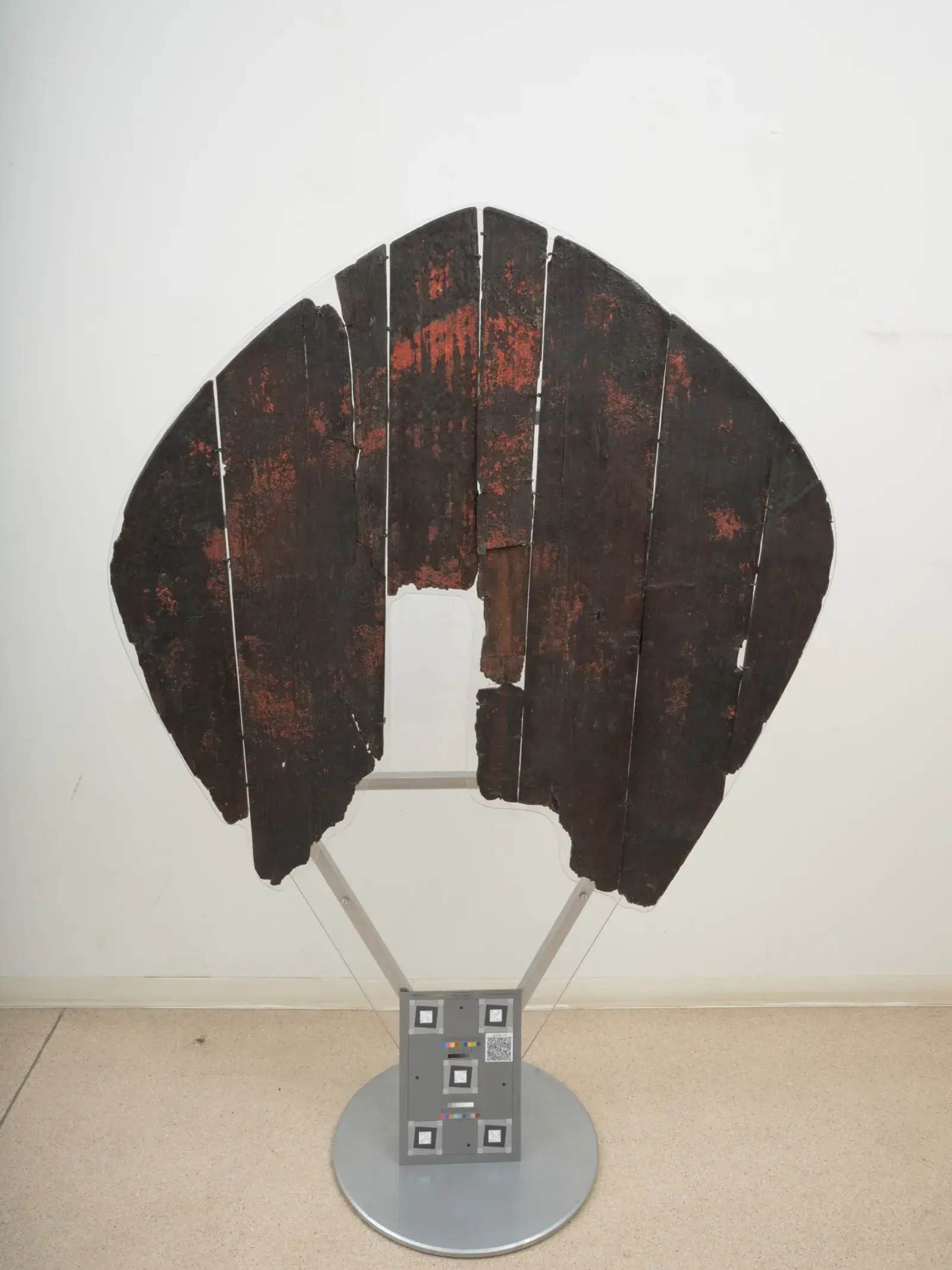 19m
What Were the Parts of a Medieval Shield Actually Called?
Escu, guige, enarmes and boucle are shield words found in 12th- and 13th-century Old French; umbo is the Latin term for the boss. "Core", "facing", "ground", "cushion" and "edge binding" are modern labels. Traced through the Chanson de Roland, Wace and Chrétien, the Anglo-Norman Dictionary and surviving shields from Szczecin, Sion and Innsbruck.
Read the Article →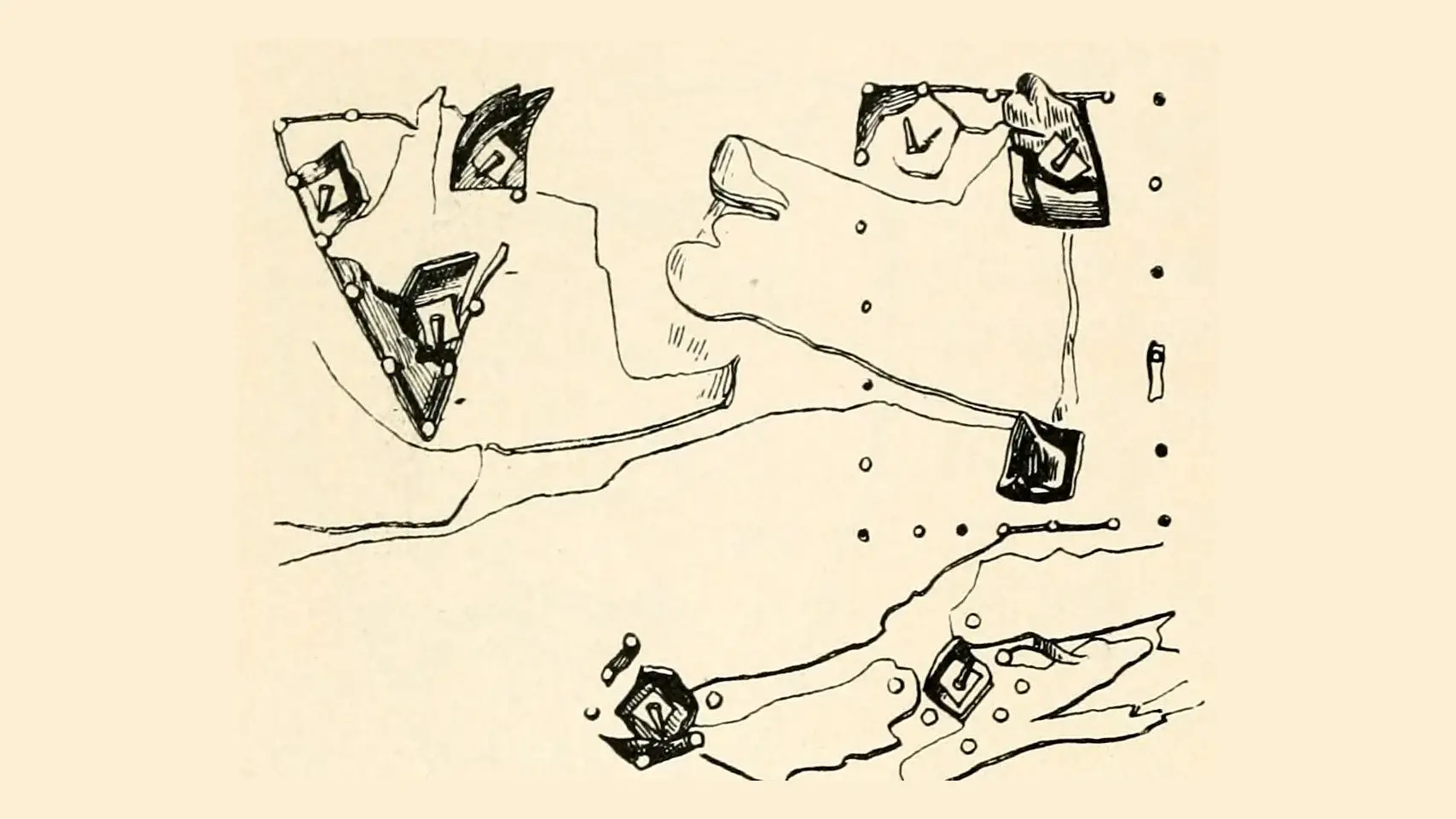 15m
How Were Medieval Shield Handles Fixed? Nails, Rivets and Washers on Surviving Medieval Shields
How the leather straps of medieval shields were actually fastened, traced across surviving shields from Seedorf to Steinau-Steinrück: front-entering nails, square and round washers on the reverse, gilt rosette washers under the heads on one shield's face, clenched and peened ends, and leather covers over the metal — and why there was no single medieval shield washer.
Read the Article →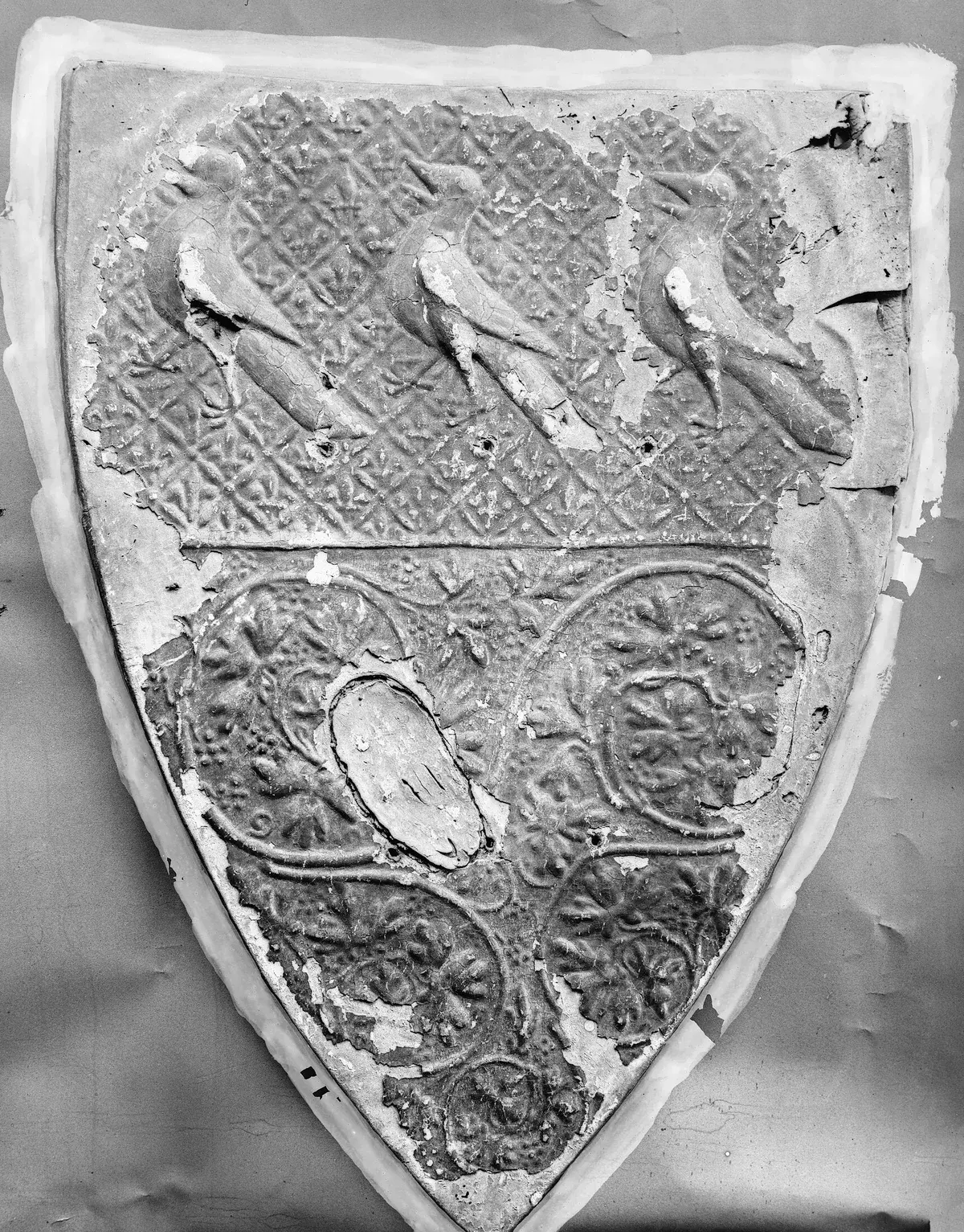 27m
How Was a Medieval Shield Actually Painted? From Ground to Finished Heraldry
From wooden core to finished heraldry: how surviving medieval shields were actually decorated, tracing facing, ground, relief, metallic leaf and paint across the surviving shields from Seedorf and Marburg to Sion and Oña — and why "painted shield" understates the craft.
Read the Article →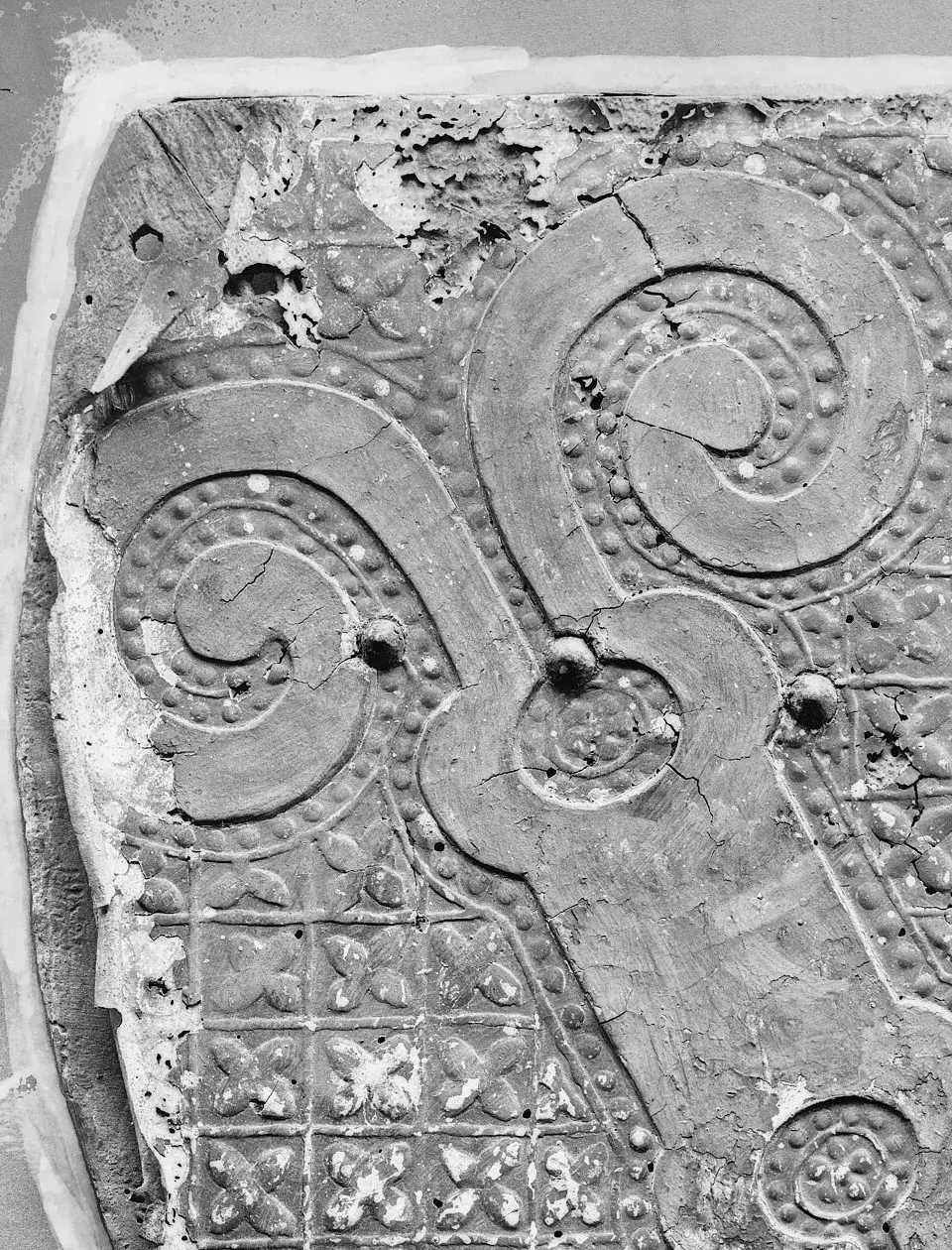 18m
How Were the Edges of Medieval Shields Treated?
A chronological study of shield-edge and perimeter construction across the surviving shields I have researched, from the woven organic reinforcement at Lenzen to the mitred and nailed parchment turnover at Welfenberg-Helfenberg — and why "rim" may be the wrong way to picture the medieval shield edge.
Read the Article →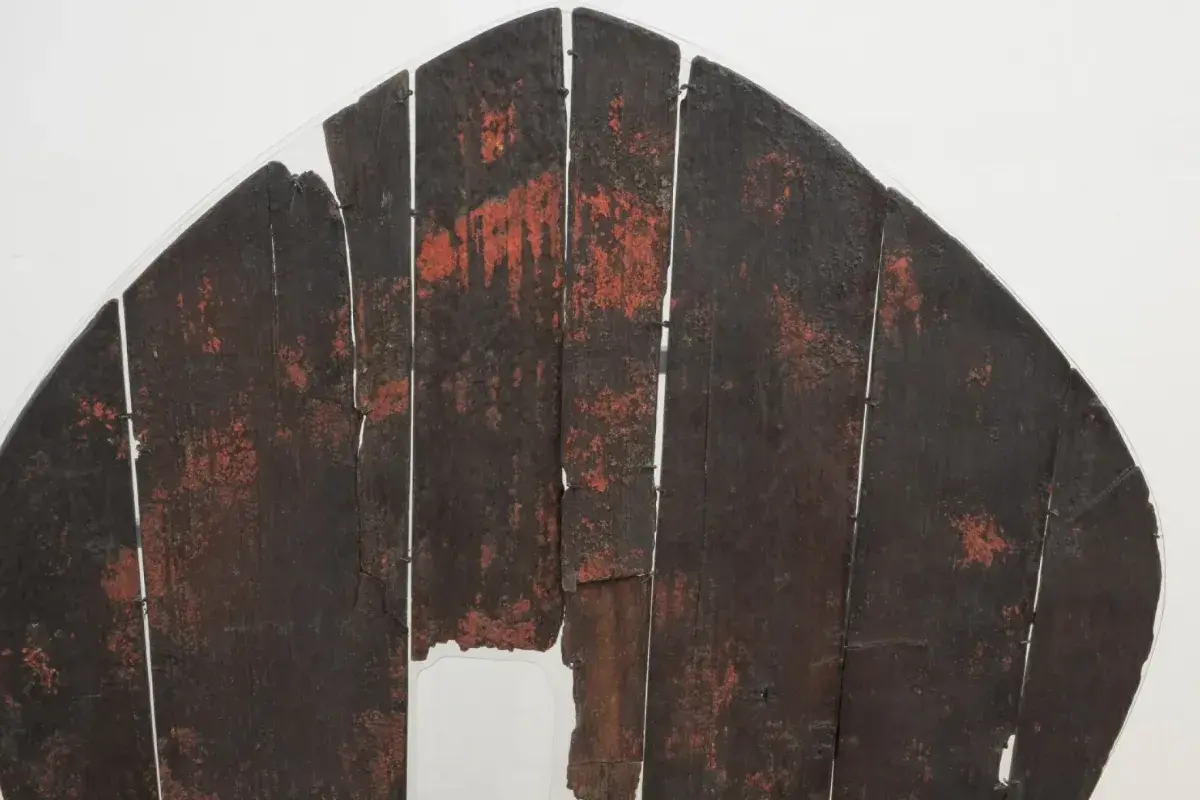 29m
How Were Medieval Shields Painted? Paints, Pigments and the Medieval Shield Surface
What paints and pigments were used on medieval shields? Follow surviving shields from the 11th century to the end of the Middle Ages through red paint, chalk grounds, vermilion, orpiment, blue fields, silver leaf, gilding and relief decoration.
Read the Article →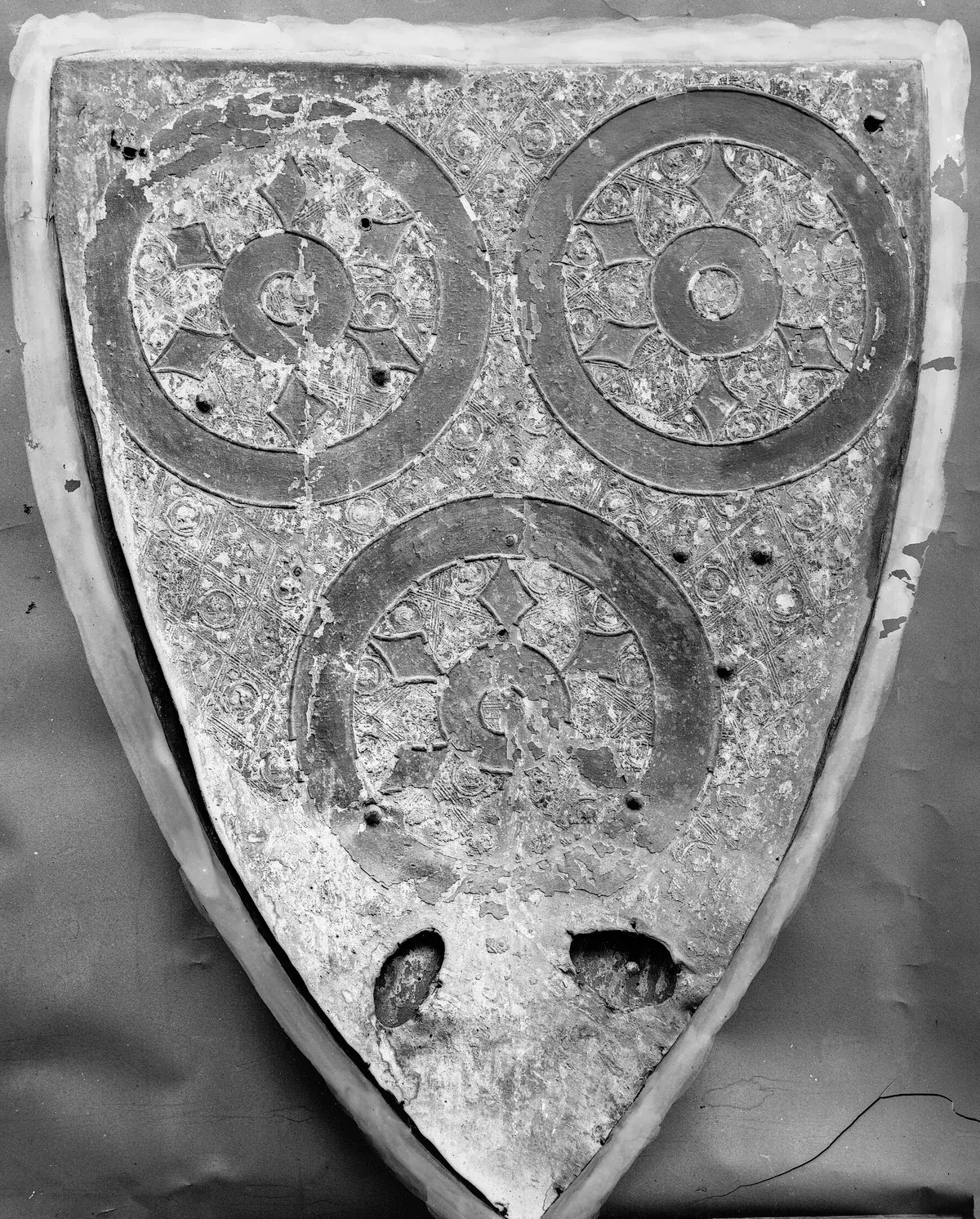 17m
Did Medieval Shields Use Gesso? Grounds and Preparation Layers on Surviving Medieval Shields
A study of chalk grounds, gypsum, gesso, stucco and modelled relief across surviving medieval shields — testing what actually lay beneath the paint, from the painted Szczecin shield's lime-white layer to the modelled chalk grounds of the Marburg shields.
Read the Article →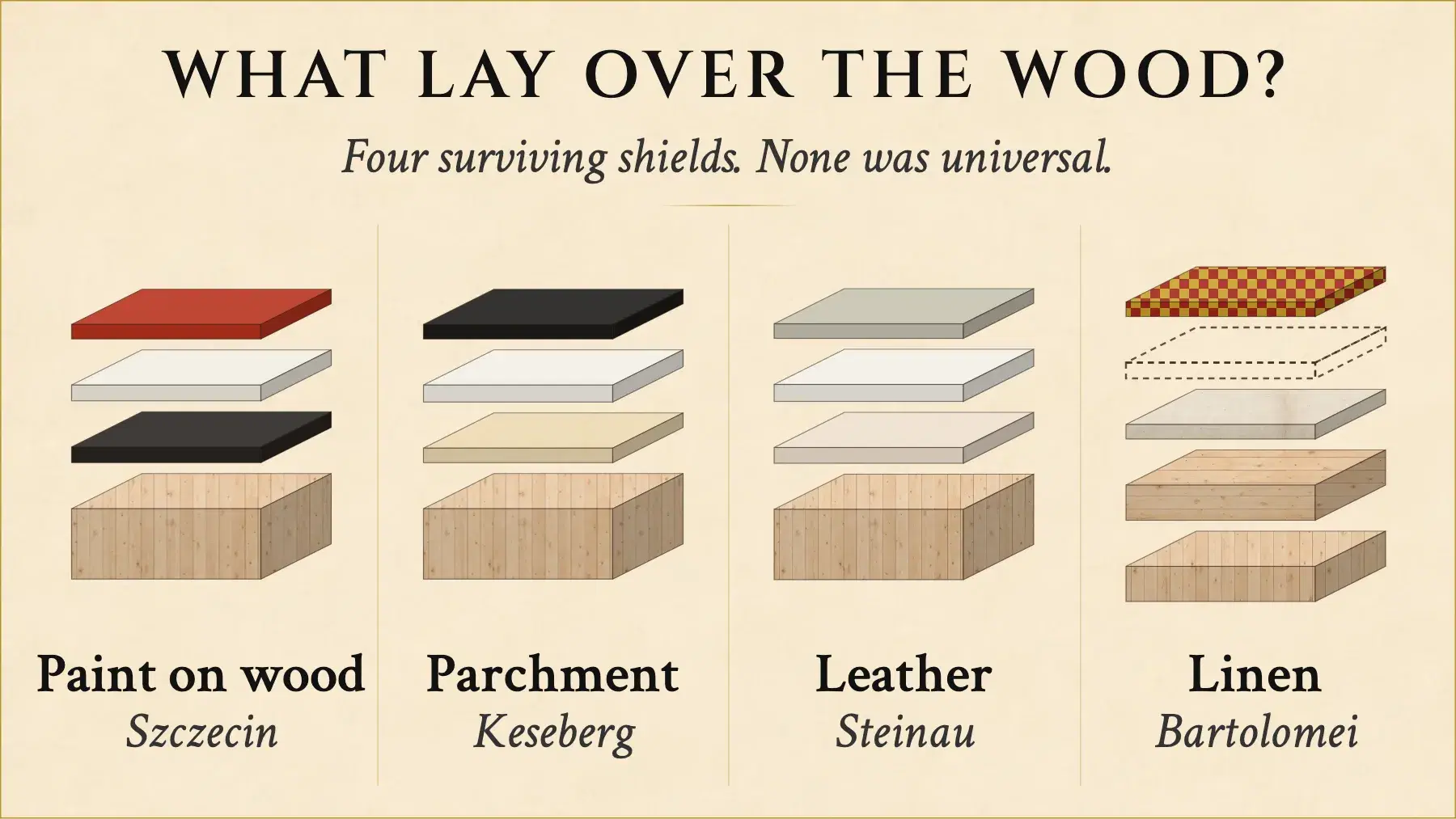 25m
What Covered Medieval Shield Wooden Cores?
A chronological history of medieval shield-covering evidence across surviving shields, from the unfaced 11th-century core at Lenzen to the re-covered 15th-century pavois at Sion.
Read the Article →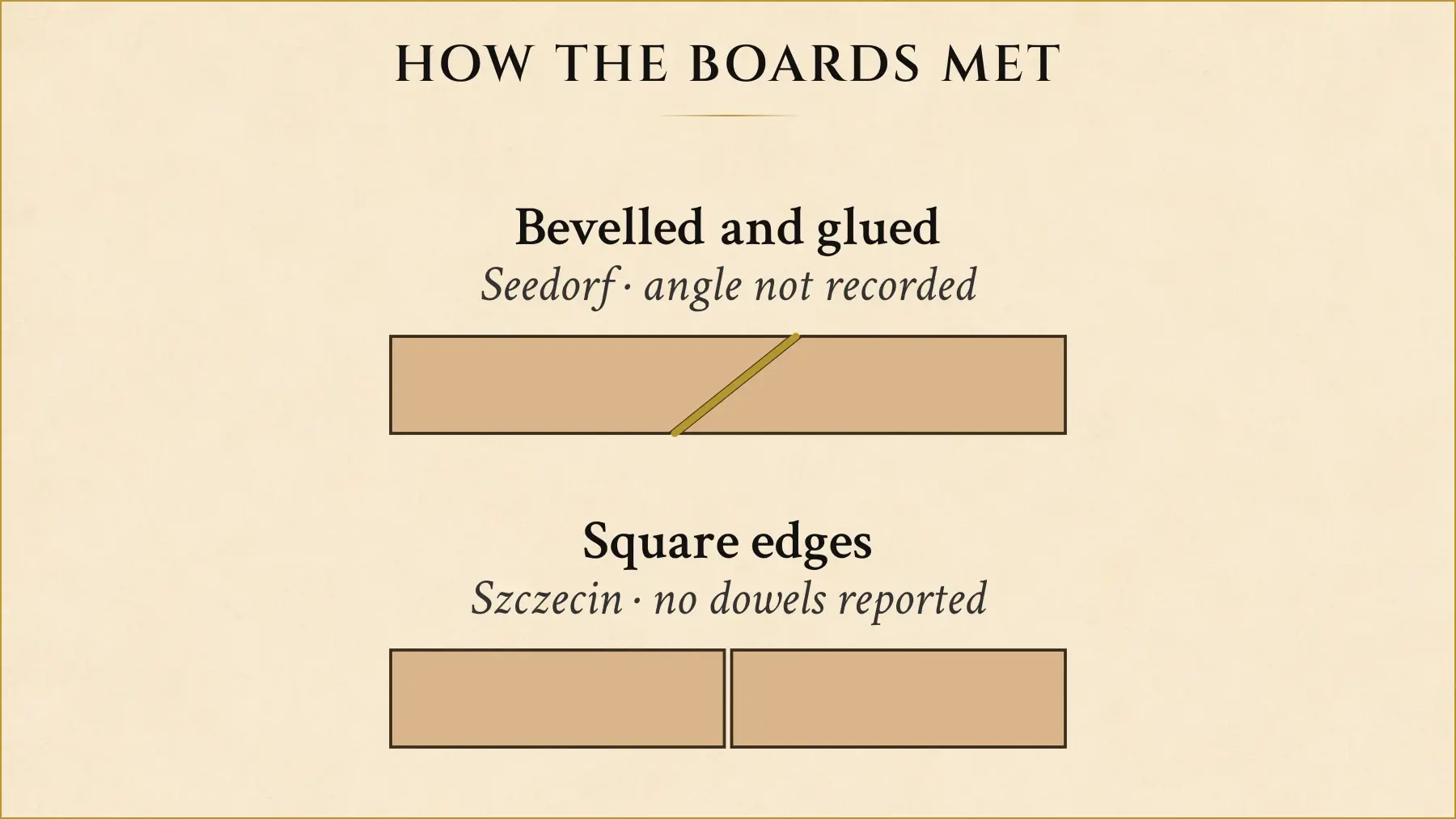 28m
How Were Medieval Shield Planks Joined?
A chronological study of surviving shields, from the 11th-century laminated core at Lenzen to the late-medieval Oña shields, testing what square edges, bevelled edges, dowels, tenons and cross-lamination actually prove.
Read the Article →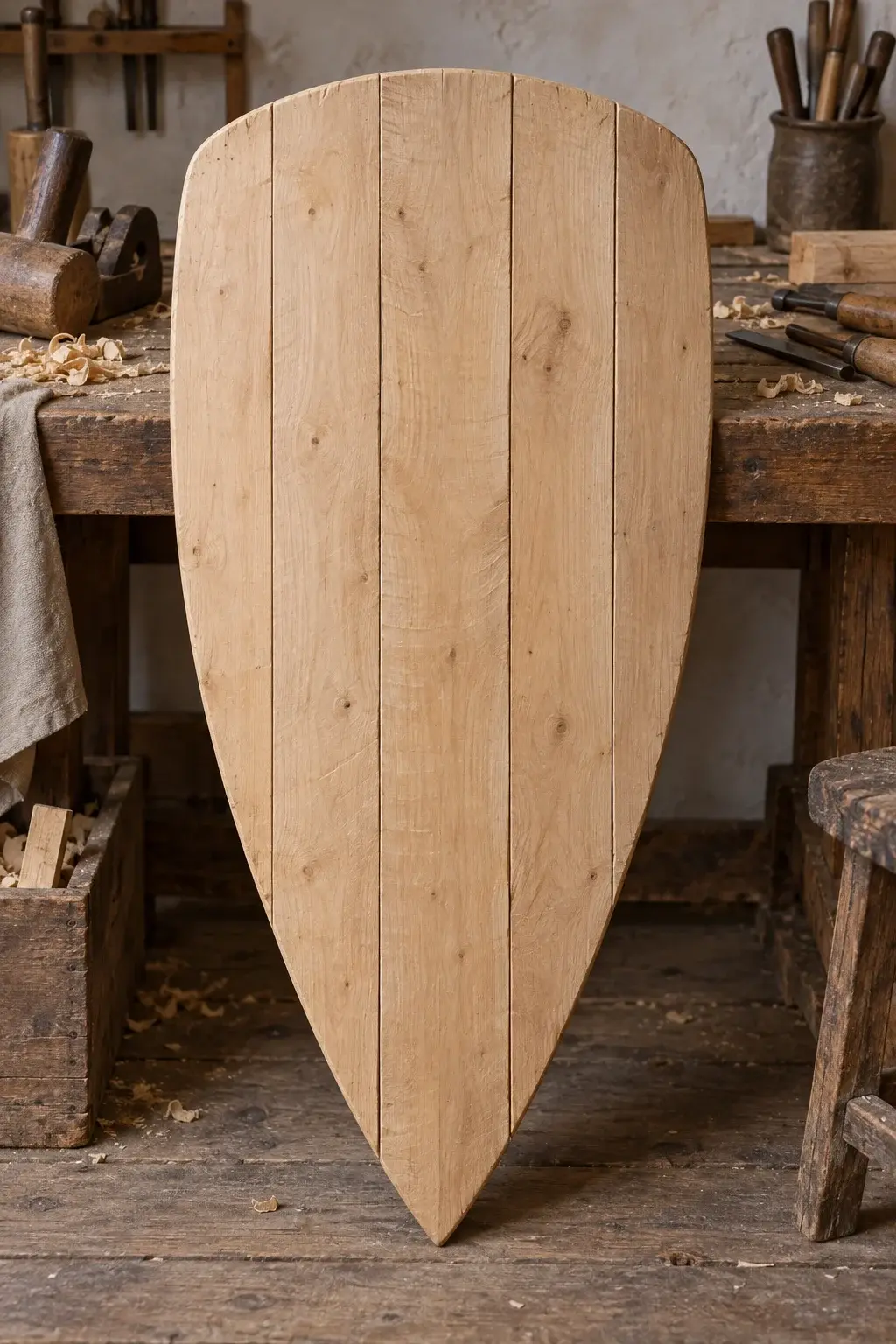 20m
How Did Medieval Shield Core Construction Develop?
Wood species, board counts, thickness, grain and curvature in surviving medieval shields, from the 11th-century laminated core at Lenzen to the 15th-century pavois at Sion and the Oña shields, possibly later still.
Read the Article →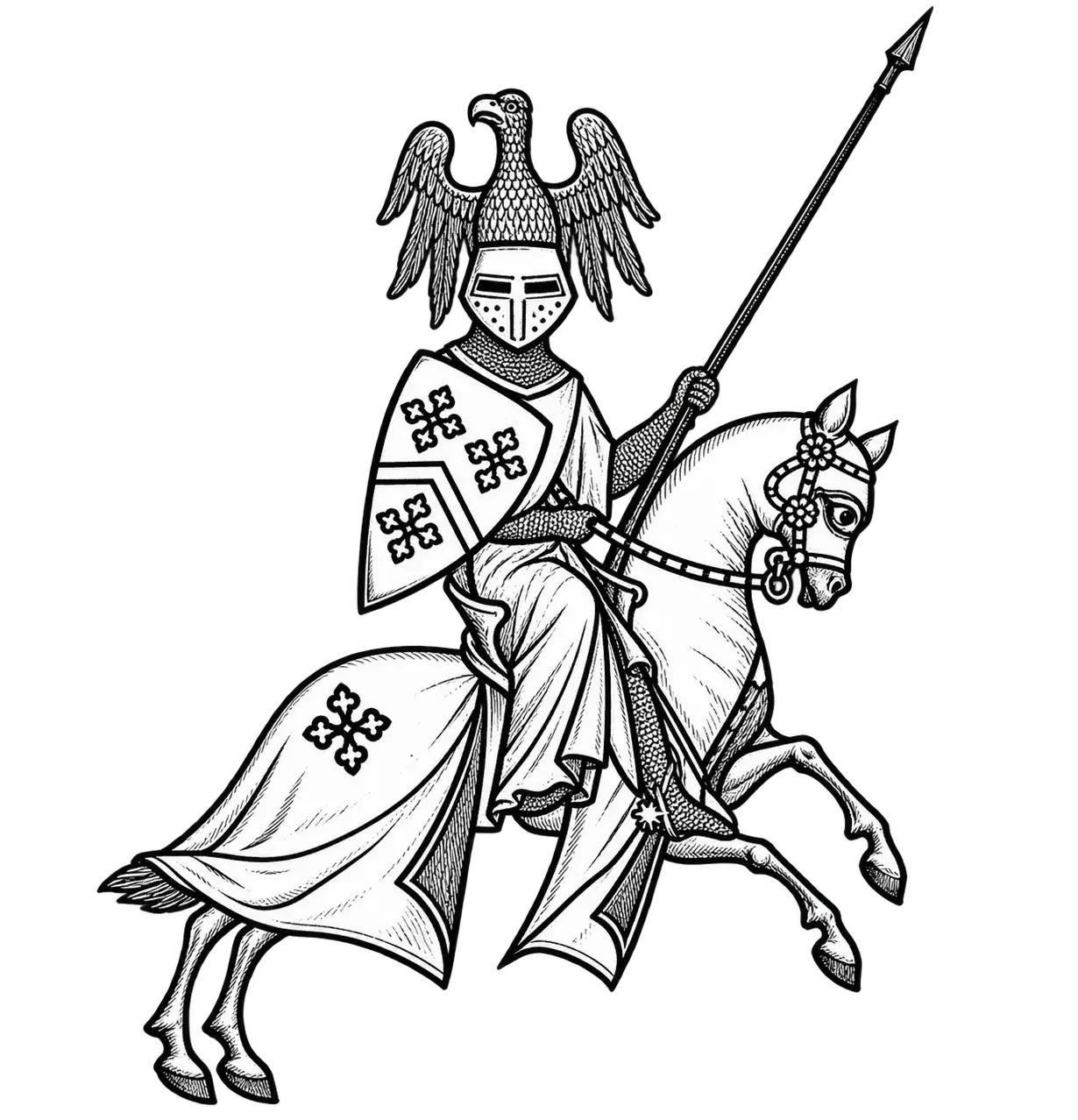
Ready to Find Your Shield?
Browse the collection of in-stock shields, or speak to me about a bespoke commission made entirely to your specification.