Historically Inspired Series
Přemysl Ottokar II — The Lion of Bohemia
Bohemia · c. 1252–1261
Gules, a lion rampant queue fourchée Argent
PREMIZL DEI GRACIA IVVENIS REX BOEMORVM
Přemysl, by the grace of God, younger king of the Bohemians.
Who He Was
Přemysl Ottokar II (1232/33–1278), son of Wenceslaus I, held Austria from 1251, succeeded to Bohemia in 1253 and was crowned in Prague in 1261; he later also ruled Styria, Carinthia and Carniola. Placed under the ban of the Empire by Rudolf of Habsburg, he gave up the Austrian lands in 1276, and was killed after his army’s defeat on the Marchfeld on 26 August 1278.
No shield known to have belonged to him survives. On the Bohemian face of his two-sided seal he rides with a triangular shield bearing a lion; the other face bears the band of Austria. Wax records no colours.
The Evidence
What Is Proven, and What Is My Reconstruction
This interactive shield is a historically informed interpretation of mine. The lion shield comes from Ottokar's two-sided seal and its silver-on-red colours from the Wijnbergen armorial; the lion's drawing, the weathered paint, the shape, construction and rear fittings are documented reconstruction choices, not recovered details of his own shield.
In plain words: no shield of his survives. Only what is marked as evidence comes from the sources; everything else, which is most of the build, is my interpretation.
What the evidence shows
- Arms
- A lion shield, as on the Bohemian face of his two-sided seal (Olomouc 1261; Graz, 21 December 1260). A silver lion on red with a forked tail, as the Wijnbergen armorial records the arms of the King of Bohemia, c.1280.
What is my reconstruction
- Lion
- My painting of a rampant white lion with a forked tail, for silver, with weathered paint. Wijnbergen gives no posture; its lion is also crowned gold and its tail crossed in saltire and knotted. The painting crosses the tails but has no crown and no knot.
- Field
- Red for gules. The exact red of any shield of his is not recorded.
- Shape and size
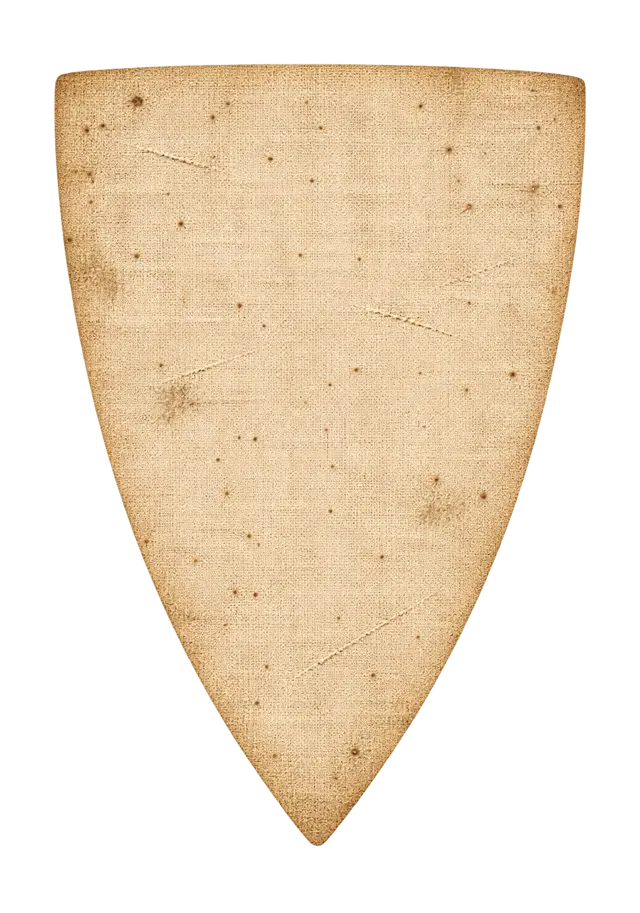
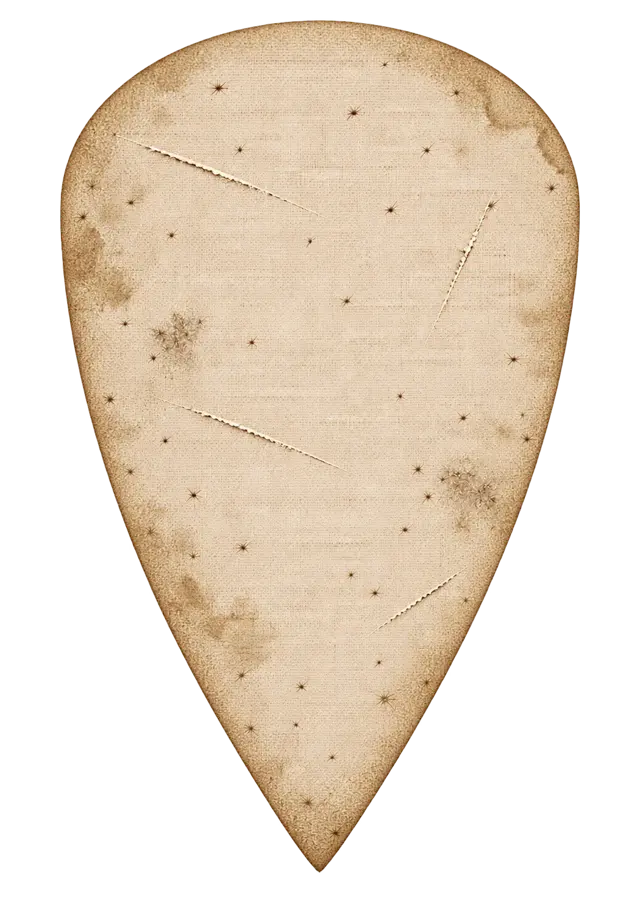
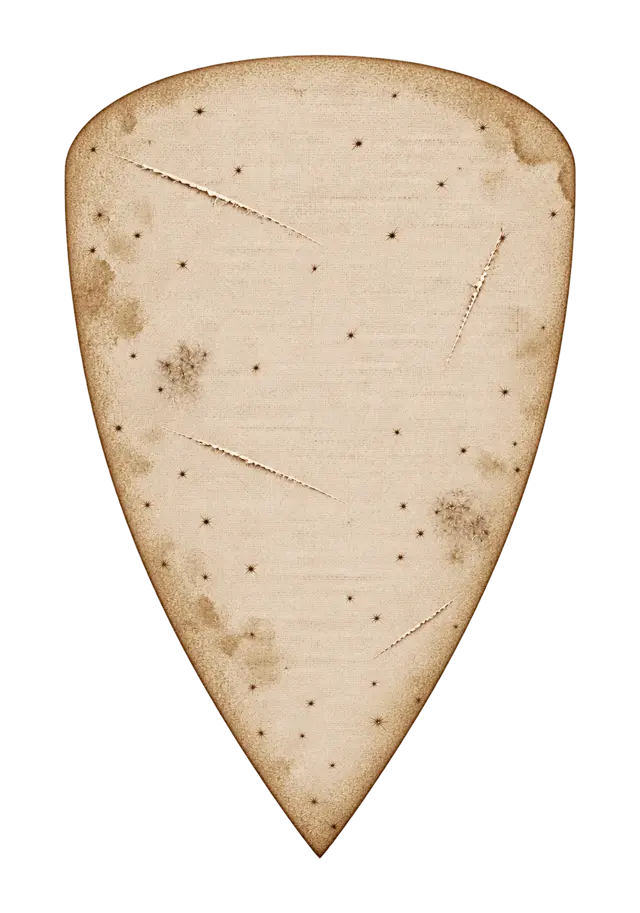
- Tall Flat-Top Heater, 58 × 85.4 cm, with the workshop's standard bow: a size that covers a mounted knight. The seal shows a triangular shield, broad at the top with a gently curved upper edge; the flat top and the size are my choices, since no shield of his survives and the seal cannot be measured to full size.
- Core
- Linden planks, 10–12 mm thick, glued edge to edge with animal glue and shaped to the curve. Medieval shields were built from glued wooden boards; linden was a shield wood of the thirteenth century (Konrad von Thüringen, Marburg).
- Front
- Two layers of linen glued over the face and turned round the edge onto the back, standing in for the parchment of surviving shields; gesso, paint and a beeswax finish.
- Back
- Two layers of linen dyed dark green. A workshop colour choice: the reverse of his shield is not recorded.
- Fittings
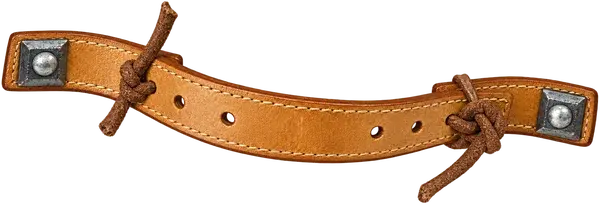
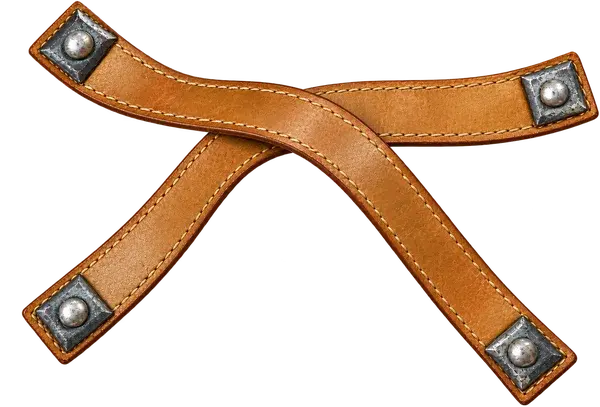
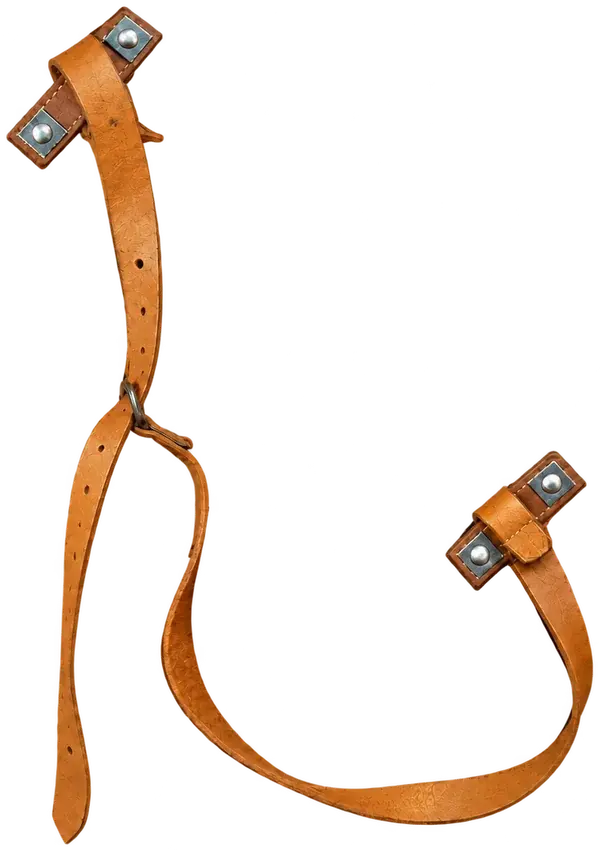
- Leather enarmes for the left arm (crossed forearm straps and a hand grip), a leather-covered arm pad and an adjustable guige on two riveted mounts. The seal does not show the reverse; their layout is mine.
Made as an Artefact
I paint and weather every shield of the series by hand, so each one differs a little from the preview and from every other. The preview shows the design; the shield you receive is its own.
Read the full research: Přemysl Ottokar II: The Lion of Bohemia on a King's Seal →